Ask ten locals to name the best neighborhoods in Columbus and you’ll probably get ten different answers. That’s the fun of it. Ohio’s capital is really a patchwork of communities, each with its own history, housing stock, and personality.
This guide covers the Columbus neighborhoods and nearby suburbs we recommend most often, whether you’re moving here from across the country or just want a change of scenery across town. You’ll find notes on character, housing, parks, shops, and what daily life actually feels like in each spot. There’s no single ranking here, because the best neighborhood is the one that fits your life. A buyer who wants to walk to dinner and one hunting for a big backyard are after very different things, and Columbus serves both. We’ve weighed walkability, housing, green space, local shops, and the commute for each spot so you can focus on what matters to you.
First, a word on cost. The average Columbus home value sits near $240,000 as of mid-2026, roughly a third below the national average of about $361,000. For a city with a population north of 900,000, that’s a real advantage.
German Village
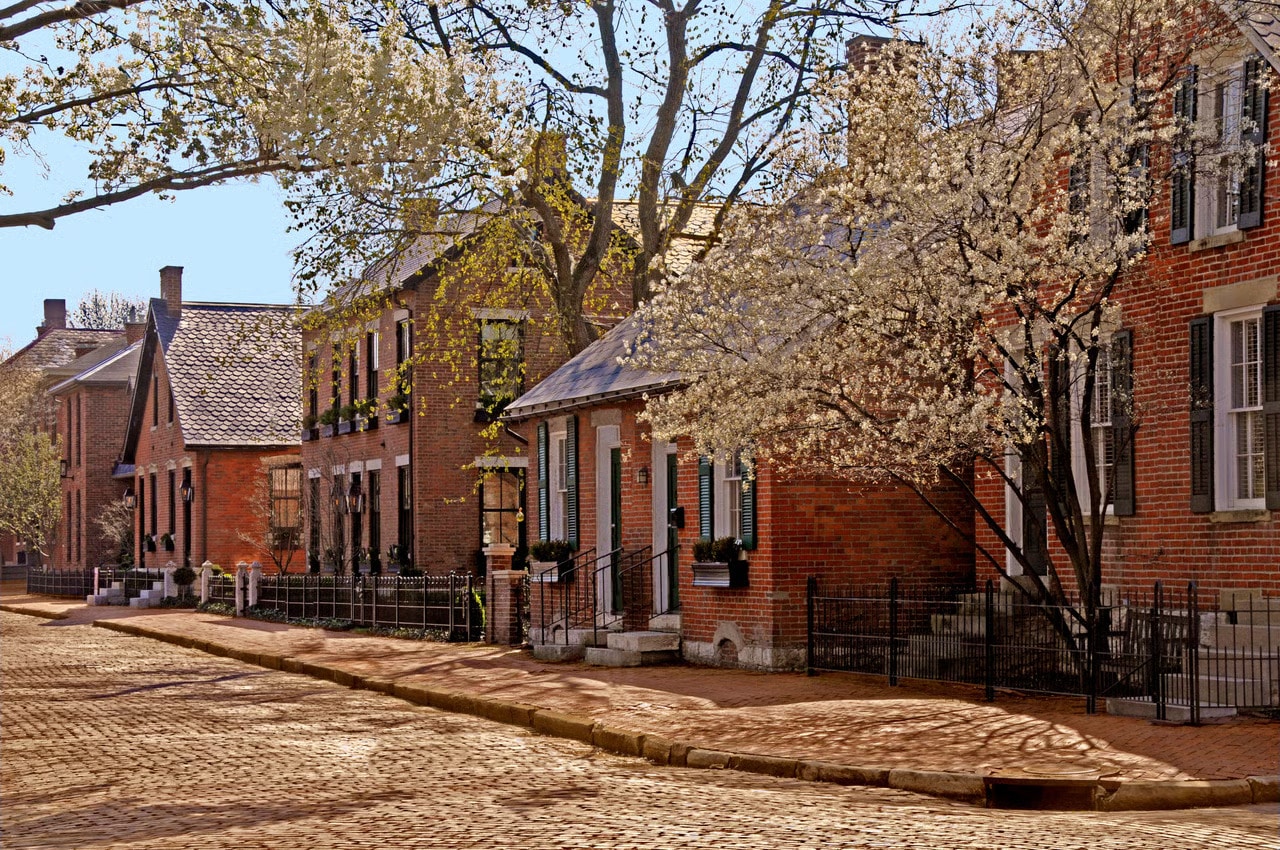
Start with the classic. German Village, just south of downtown, was settled by German immigrants in the early to mid 1800s, and it shows. Restored brick cottages and Italianate houses from the mid 1800s line brick paved streets that have barely changed in a century.
The neighborhood joined the National Register of Historic Places in 1974 and remains the country’s largest privately funded historic preservation district. Schiller Park, about 23 acres of lawns, gardens, and a pond, anchors the south end and fills up with picnics and evening walks all summer.
Add the famous Book Loft, plenty of coffee, and some of the city’s most loved restaurants, and you can see why houses here rarely sit long.
Search homes for sale in German Village→
Short North Arts District
Locals call the Short North the art and soul of Columbus, and the nickname has stuck for good reason. High Street through this district is lined with art galleries, boutiques, bars, and a deep bench of restaurants.
On the first Saturday of every month the neighborhood hosts Gallery Hop, a tradition running more than four decades that fills the sidewalks with exhibition openings, street performers, and late crowds. If you want energy at almost any hour of the night, this is your spot.
Housing is a mix of Victorian era houses on the side streets and newer condos right on High.
Search homes for sale in the Short North→
Italian Village
Just east of the Short North, Italian Village offers a quieter, more residential feel with the same proximity to everything. Historic cottages and row houses sit alongside thoughtful new builds, and the past decade has brought breweries, cafes, and restaurants to nearly every corner of it.
You’re about half a mile from High Street here, which puts dinner with friends within easy walking distance instead of a drive. That balance is exactly why so many buyers shortlist it.
Victorian Village
On the west side of High Street, Victorian Village boasts exactly what the name promises: grand Victorian era homes with turrets, wraparound porches, and tree lined streets that look lifted from a postcard.
Goodale Park, donated to the city in 1851 and the oldest park in Columbus, works as the neighborhood’s shared front lawn. Between the architecture and the location, this is one of the most photographed corners of the city, and homes here hold their value accordingly.
Downtown Columbus
Downtown Columbus has changed dramatically over the past decade. The Scioto Mile riverfront, the Arena District, and a growing stock of condos and apartments have turned the core into a real neighborhood rather than just a place to work.
If you’re not ready to buy, renting downtown is a great place to test city life. You’ll have easy access to the riverfront trails, sports, and concerts, and you can walk to more than you’d expect.
Olde Towne East
Olde Towne East might be the most architecturally interesting neighborhood in the city. It holds more than 50 architectural styles, with some houses dating to the 1830s and 1840s. Queen Anne, Italianate, Gothic Revival, Craftsman, you’ll find them all on a single street, which kind of says it all.
Located just east of downtown, it’s also one of the better values among historic Columbus neighborhoods, with an average home value in the mid $300,000s per Zillow. Restoration here is an ongoing labor of love, and the results speak for themselves.
Search homes for sale in Olde Towne East→
Clintonville
North of the university area, Clintonville is known for its 1920s Craftsman style homes, its independent shops and eateries along High Street, and a serious green streak.
Whetstone Park covers nearly 150 acres and contains the Park of Roses, a 13 acre garden with more than 11,000 roses across 350 plus varieties. It’s free, open year round, and reason enough for some buyers to pick the neighborhood.
Home values in central Clintonville run in the low to mid $400,000s per Zillow, and the housing stock has character to spare.
Search homes for sale in Clintonville→
Bexley
An independent city surrounded by Columbus on the east side, Bexley gives you the best of both worlds: a leafy, established suburb that sits ten minutes from downtown. Capital University anchors the community, and the Art Deco Drexel Theatre, open since 1937, still shows films on East Main Street.
Stately houses, many more than a century old, line its tree shaded streets. The average home value here is around $570,000, among the higher marks in central Ohio, and the demand rarely cools.
Search homes for sale in Bexley→
Upper Arlington
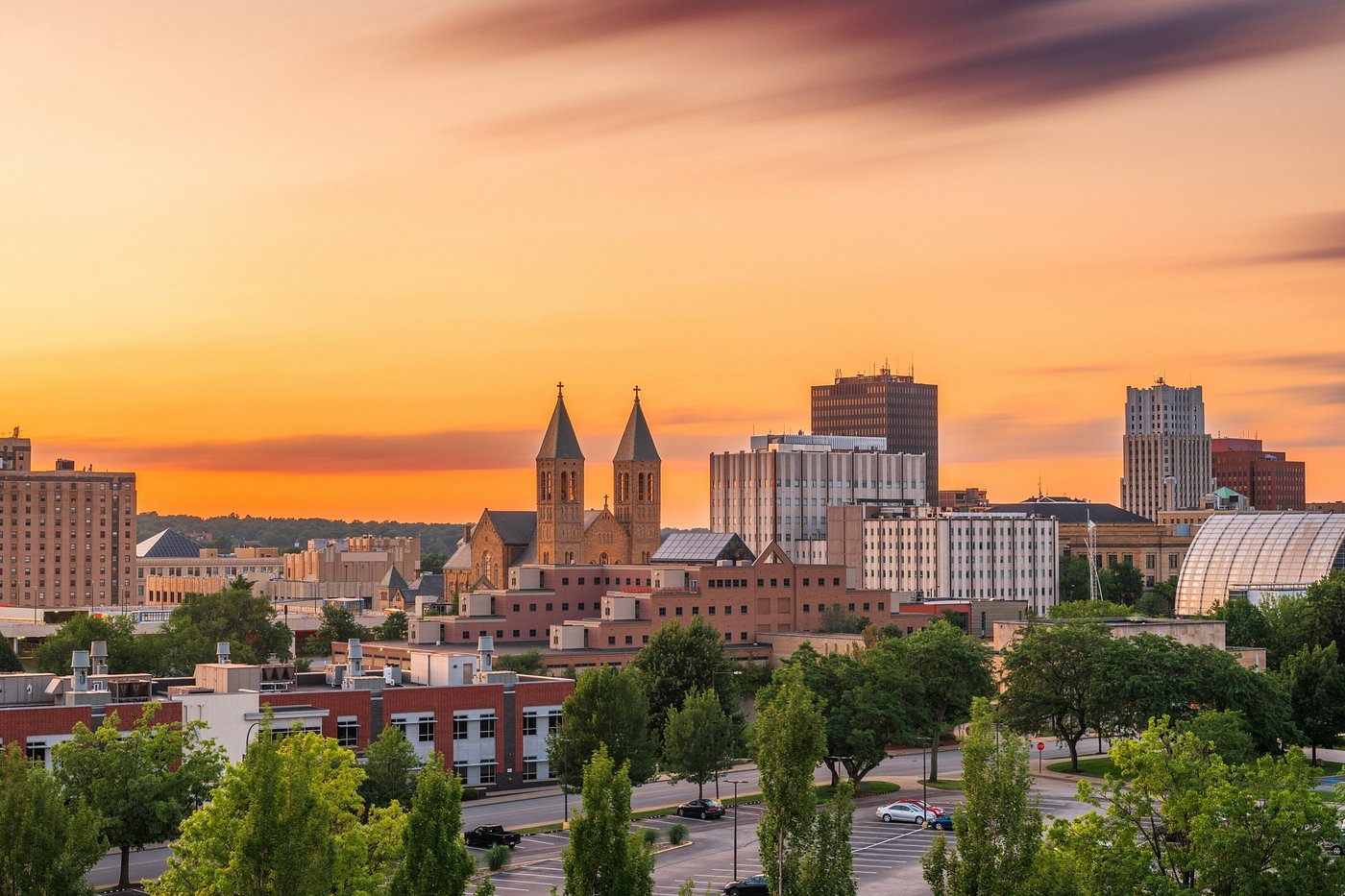
Northwest of Ohio State, Upper Arlington is an established suburb known for its parks, mature trees, and long list of community amenities. Housing is mostly single family homes, from 1920s originals in the older sections to newer construction farther north.
It’s a quick drive to campus and downtown, and the city’s calendar of concerts, art fairs, and park programming keeps the community busy without ever feeling crowded.
Search homes for sale in Upper Arlington→
Grandview Heights
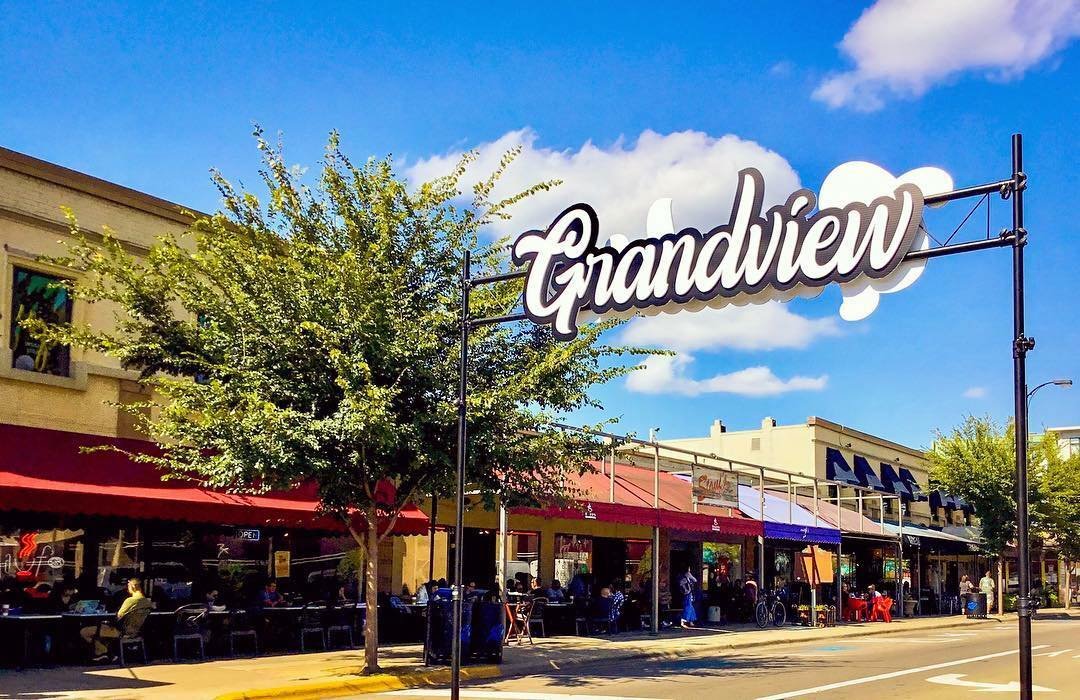
Tiny, walkable, and minutes from downtown, Grandview Heights packs a genuine small town vibe inside the urban core. Grandview Avenue is the spine, with coffee shops, restaurants, and local storefronts within a short stroll of nearly every address.
Curious why it makes every shortlist? Spend one evening on the Avenue and you’ll get it.
Search homes for sale in Grandview Heights→
Dublin
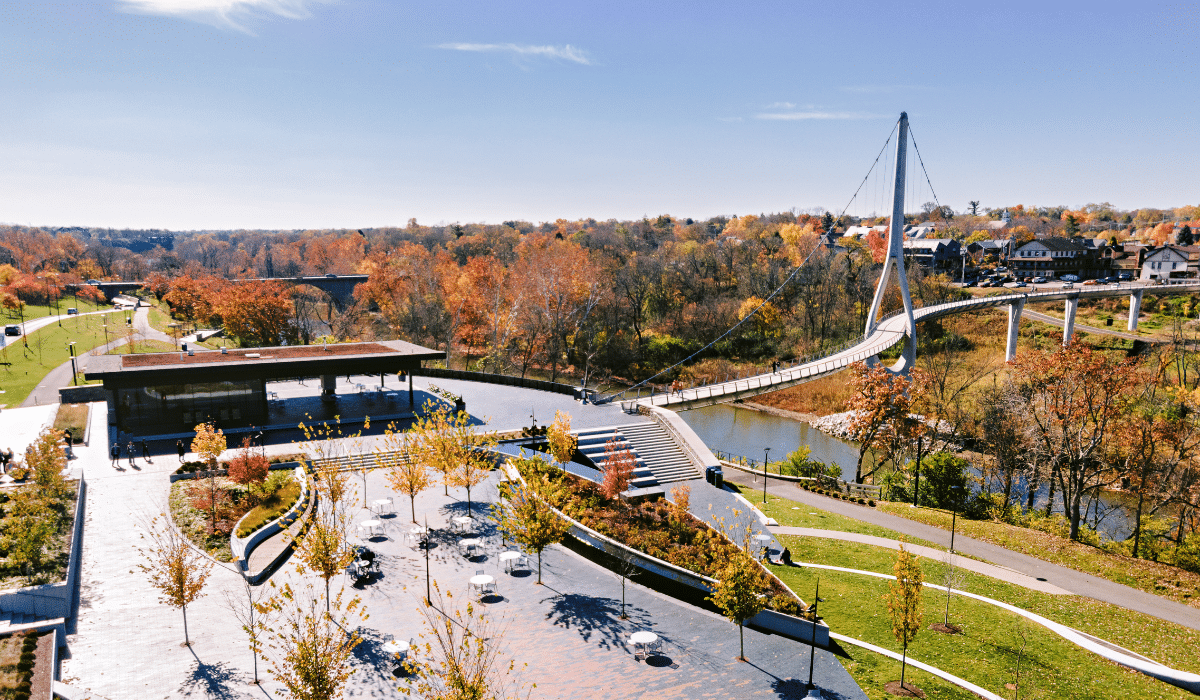
Dublin anchors the northwest side of the metro and manages to feel both polished and lively. Historic Dublin offers stone buildings and small shops, while the Bridge Park district across the river boasts new restaurants, condos, and year round events.
Each summer, Coffman Park hosts the Dublin Irish Festival, billed as the largest three day Irish festival in the world, set for July 31 through August 2 in 2026. Riverboxes, trails, and quarry parks round out the lifestyle.
Search homes for sale in Dublin→
Worthington

Worthington was founded in 1803, and its New England roots still show on the Village Green, which hosts community events nearly year round. Summer concerts run most Sunday evenings from mid May through early August, and the Saturday morning farmers market, started in 1987, draws more than 70 vendors.
The surrounding streets mix colonial style homes with mid century houses, and Old Worthington’s shops and restaurants give the area a center of gravity most suburbs envy.
Westerville and the Uptown District
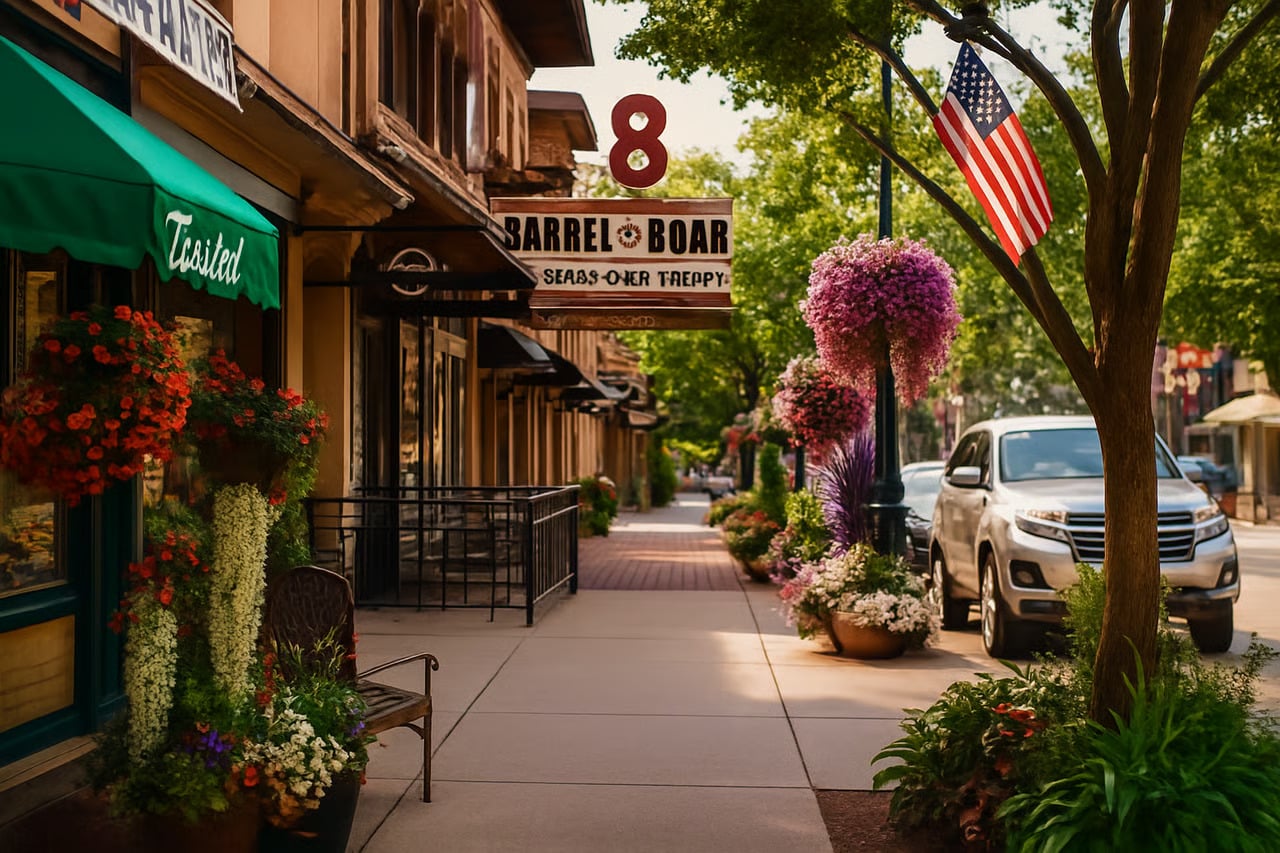
Westerville’s Uptown District is the kind of main street other towns reference when they talk about charm. The district joined the National Register of Historic Places in 2019, its oldest building is an 1852 stagecoach inn, and dozens of locally owned shops and eateries fill the historic storefronts today.
Otterbein University adds a college town current, and an extensive network of parks and bike paths threads the whole community together, giving the city a strong sense of place.
Search homes for sale in Westerville→
How to Choose the Right Columbus Neighborhood
No matter how good a neighborhood sounds on paper, spend time there at different hours. A street that’s quiet on a Tuesday morning can feel like a different world on a Saturday night, and you want to know that before you sign anything.
Run the numbers on rent versus buying, and measure your commute in minutes rather than miles. Five miles of highway and five miles of stoplights are not the same trip.
Finally, be honest about housing type. Historic houses deliver character and quirks in equal measure, while new condos trade charm for convenience. Talk to potential neighbors and ask what they’d change. People here will tell you, usually at length.
FAQ About the Best Neighborhoods in Columbus
Which Columbus neighborhoods are the most walkable?
German Village, the Short North, Italian Village, and Victorian Village top the list inside the city. For a walkable neighborhood with a suburban address, look at Grandview Heights, Old Worthington, or Uptown Westerville.
How much does it cost to live in Columbus?
The average Columbus home value is about $240,000 as of mid-2026. Neighborhood averages range from the mid $300,000s in Olde Towne East to roughly $570,000 in Bexley.
Where can I find historic homes in Columbus?
Almost everywhere. German Village’s brick cottages from the mid 1800s, the 50 plus architectural styles of Olde Towne East, Victorian Village’s namesake painted ladies, and Clintonville’s 1920s Craftsman bungalows give house hunters tons of history to work with.
Find Your Place in Columbus with Clarizio Homes
The best way to learn these neighborhoods is to visit them with someone who knows every street. Clarizio Homes helps buyers and sellers across Columbus and its suburbs, from German Village to Westerville, and we’re happy to share what the data and our experience say about any community on this list.
Browse our community guides, search current listings, or reach out through our contact page to start the conversation. Wherever you land, welcome to Columbus.